Wednesday, 8 June 2016

Campo de Criptana: the windmills of Don Quixote


The marvellous windmills, a Spanish literature icon of XVI century, of Campo de Criptana (Castilla la Mancha, Spain), is something unique as much in this land as in the rest of the world.
 
Here, windmills receive world fame for they inspired the famous Miguel de Cervantes in the narration of the most known adventure in universal literature: Don Quixote against the "Giants".

Campo de Criptana is a notable place as it was the scenery of Don Quixote battle, that here was set. 
Among the windmills of this culturally rich city, there are the top three ones who still conserve the structure and original technology dating back to the XVI century (Infanto, Burleta and Sardinero), aimed to work the cereal similarly as they did it in the past times, by exploiting only the human genius and the natural wind force.
 
Don Quixote, in the VIII chapter of the book, after a physical incident, builds in his imagination an adventure against the “Giants”, which were the windmills of Castilla in real life.

He is absolutely convinced of the battle and, helped by his esquire, gets ready to face the challenge.


Of the good fortune which the valiant Don Quixote had in the terrible and undreamt-of adventure of the windmills, with other occurrences worthy to be fitly recorded.

“At this point they came in sight of thirty forty windmills that there are on plain, and as soon as Don Quixote saw them he said to his squire, 

- Fortune is arranging matters for us better than we could have shaped our desires ourselves, for look there, friend Sancho Panza, where thirty or more monstrous giants present themselves, all of whom I mean to engage in battle and slay, and with whose spoils we shall begin to make our fortunes; for this is righteous warfare, and it is God's good service to sweep so evil a breed from off the face of the earth.

- What giants? - said Sancho Panza.

- Those thou seest there, - answered his master, - with the long arms, and some have them nearly two leagues long.

- Look, your worship, - said Sancho; - what we see there are not giants but windmills, and what seem to be their arms are the sails that turned by the wind make the millstone go.

- It is easy to see, - replied Don Quixote, - that thou art not used to this business of adventures; those are giants; and if thou art afraid, away with thee out of this and betake thyself to prayer while I engage them in fierce and unequal combat.

So saying, he gave the spur to his steed Rocinante, heedless of the cries his squire Sancho sent after him, warning him that most certainly they were windmills and not giants he was going to attack. He, however, was so positive they were giants that he neither heard the cries of Sancho, nor perceived, near as he was, what they were, but made at them shouting

- Fly not, cowards and vile beings, for a single knight attacks you.

Miguel de Cervantes


Campo de Criptana: los molinos de viento de Don Quijote


La maravilla, icòno de la literatura hispànica del siglo XVI, de los molinos de viento de Campo de Criptana es algo ùnico tanto en la tierra de Castilla-la Mancha como en el resto del Mundo.
 
Aquì, los molinos de viento gozan de fama mundial por haber inspirado al famoso Miguel de Cervantes para la narraciòn de la aventura màs conocida en la literatura universal: Don Quijote contra los “Gigantes”.

Esta localidad es conocida por haber sido el escenario de la batalla quijotesca narrada en el episodio literario “El ingenioso hidalgo Don Quijote de la Mancha”, escrito por el notable Miguel Cervantes.

Es proprio entre los mulinos de esta riquìsima ciudad cultural que se encuentran los très ùnicos que conservan la etructura y maquinaria original del siglo XVI (Infanto, Burleta y Sardinero), aptos para moler el cereal como originariamente se hacìa, desfrutando del ingenio del hombre solo y de la fuerza natural del viento.

Don Quijote, en el capìtulo VIII del libro, construye en su imaginaciòn una escena de guerra contra unos “gigantes”, que en la realidad son nada màs que molinos de viento de Castilla.

Èl està convencido de la lucha, y, ayudado por su escudero Sancho Panza, se prepara para enfrentar a los enemigos.

Del buen suceso que el valeroso Don Quijote tuvo en la espantable y jamás imaginada aventura de los molinos de viento, con otros sucesos dignos de felice recordación

En esto, descubrieron treinta o cuarenta molinos de viento que hay en aquel campo; y, así como don Quijote los vio, dijo a su escudero:

–La ventura va guiando nuestras cosas mejor de lo que acertáramos a desear, porque ves allí, amigo Sancho Panza, donde se descubren treinta, o pocos más, desaforados gigantes, con quien pienso hacer batalla y quitarles a todos las vidas, con cuyos despojos comenzaremos a enriquecer; que ésta es buena guerra, y es gran servicio de Dios quitar tan mala simiente de sobre la faz de la tierra.

 –¿Qué gigantes? –dijo Sancho Panza.

–Aquellos que allí ves –respondió su amo– de los brazos largos, que los suelen tener algunos de casi dos leguas.

–Mire vuestra merced –respondió Sancho– que aquellos que allí se parecen no son gigantes, sino molinos de viento, y lo que en ellos parecen brazos son las aspas, que, volteadas del viento, hacen andar la piedra del molino.

–Bien parece –respondió don Quijote– que no estás cursado en esto de las aventuras: ellos son gigantes; y si tienes miedo, quítate de ahí, y ponte en oración en el espacio que yo voy a entrar con ellos en fiera y desigual batalla.

Y, diciendo esto, dio de espuelas a su caballo Rocinante, sin atender a las voces que su escudero Sancho le daba, advirtiéndole que, sin duda alguna, eran molinos de viento, y no gigantes, aquellos que iba a acometer. Pero él iba tan puesto en que eran gigantes, que ni oía las voces de su escudero Sancho ni echaba de ver, aunque estaba ya bien cerca, lo que eran; antes, iba diciendo en voces altas:

–Non fuyades, cobardes y viles criaturas, que un solo caballero es el que os acomete."


Miguel de Cervantes

Monday, 6 June 2016

Bocas del Toro, il paradiso caraibico.

La regione di Panama, Stato del Centro America, è un sogno ad occhi aperti.

Con la sua insuperabile e unica atmosfera, è un’esplosione di vegetazione, paradisi naturali, storia e tradizioni. Ha un fascino seducente, primitivo e indimenticabile, capace di incantare i visitatori e far vivere loro esperienze surreali.
 
Vorrei proprio celebrare lo spirito che si vive nell’arcipelago, in grado di cambiare la vita a chi la visita: le varie popolazioni culturali che vivono qui, le quali arrivano da diverse branche delle tribù indiane, vi mostreranno un esempio di coesistenza e di rispetto reciproco, non paragonabile alle società moderne.

Le comunità vivono in un’area protetta, una riserva nella quale hanno i diritti di mantenere la loro identità e di gestire i contatti con il resto del mondo.
 
Quebrada Sal”, “San Cristobal”, e “Popa 2” sono solo alcuni dei gruppi indiani che abitano l’arcipelago, e in particolare questi hanno la fama di essere aperti ai visitatori e parlare delle loro tradizioni e culture (poiché non esistono ancora tour all’interno delle civiltà, i turisti possono però avventurarsi e conoscere le genti del posto).
 
I loro villaggi sono molto poveri. Le principali attività economiche si basano su pesca e agricoltura di sussistenza, con prodotti come banane, mais e caffè.
Le case sono costruite con legname, pavimenti fatti con la corteccia della pianta Jira, e i tetti di foglie di una palma locale.
 
La civiltà Ngobe, Guaymi, è famosa in tutto il mondo, e la più popolosa dell’America latina. La loro terra è patrimonio geologico.
Vivono in case chiamate “chozas”, e le donne Ngobe si dedicano a attività di artigianato come la produzione di tipiche borse dette “chacaras”, ricavate da fibre di pita, una pianta locale.

Gli intrecci su queste borsette sono colorati con una tinta vegetale, e raffigurano la vera identità del popolo: sono figure geometriche ispirate alle loro foreste e montagne.

 
La città di Bocas è la principale.
Camminare lungo le vie centrali è un viaggio nel passato. Le case hanno una forte e vibrante personalità, che lascerà i visitatori incantati.
Per dare un’idea, le abitazioni di Bocas hanno uno stile antico, caraibico, e trasmettono un’identità unica. All’inizio del secolo, le piantagioni di banana erano le principali fonti economiche.
Questo villaggio unico nel suo genere non possiede musei, gallerie d’arte o palazzi storici. La sua ricchezza inimitabile risiede nelle sue popolazioni, culture e paradisi naturali, così come pochi altri al mondo.
 
Sulle spiagge, si può godere di un’acqua paradisiaca: pulita, di un colore turchese blu caraibico, con un immenso patrimonio di coralli e vita marina.
 
Oltre alla Baia dei Delfini, dalla quale gli animali possono essere osservati mentre giocano e mangiano, qui vivono anche le affascinanti testuggini.
 
Numerosi gruppi conservatori possono essere osservati mentre lavorano giorno e notte per preservare l’incredibile evento della deposizione delle uova delle tartarughe, per prevenire che possano venire attaccate dai predatori, e si conservino in luoghi sicuri.
Questo spettacolo è una meraviglia per i visitatori, e merita tutto il rispetto e precauzione possibile.
 
Secondo una leggenda tramandata tra le popolazioni locali, quando arriva la stagione dei temporali, lampi e tuoni assumerebbero un significato speciale: la luce dei fulmini indicherebbe alle tartarughe dove si trova la spiaggia, e il tuono comunicherebbe che esse sono arrivate a destinazione.
 
La deposizione delle uova è uno dei momenti più magici e ispiranti che potrete mai vedere. Guardare le giganti testuggini farsi strada lentamente sulla spiaggia, scavando nella soffice sabbia con le enormi zampe, depositando molte uova che un giorno diventeranno una nuova generazione, che poi ritornerà nel mare per iniziare il loro ciclo, è un’esperienza che si ripete una volta nella vita.
 
Per quanto riguarda invece altre categorie di divertimento, il surf è senza dubbio impareggiabile qui a Bocas.

Il mare caraibico offre un’acqua senza rivali: chiara, blu cristallina, tiepida, che piace soprattutto a esperti surfisti ma anche a principianti, alle prime armi con la tavola.
Durante la stagione che dura da Novembre a Marzo, le onde arrivano a un range che va dai 2 ai 4 metri, e il paradiso regala barriere coralline come “surf brakes”, ovvero punti che spezzano le onde.

Barche attrezzate portano i surfisti nei punti di mare migliori per cavalcare le onde, spesso isolati, e dal fascino inimitabile.

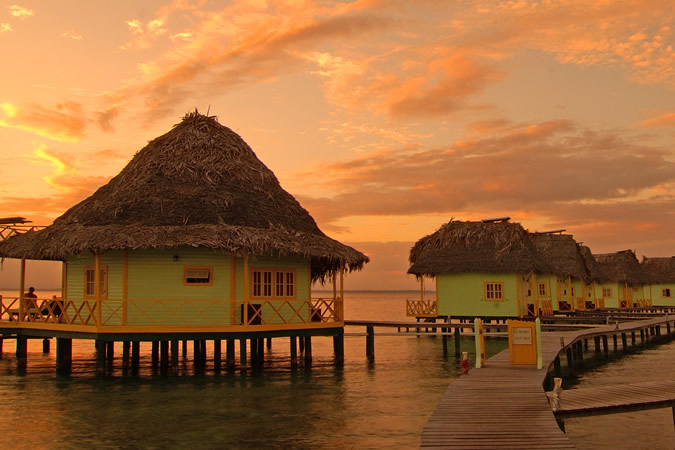
Bocas del Toro, a turquoise blue Caribbean paradise.

This dreaming region of Panama, in Central America, must be celebrated for its unique atmosphere. It is an explosion of vegetation, biodiversity, history and customs.
It has a seductive, primitive and unforgettable charm, able to captivate visitors and throw them in a real dream.
 
I would like to enhance the spirit dominating the area, a life lesson that deserves to get across to readers: the multi-cultural population, coming from different branches of Indian tribes, set an incredible example of coexistence and respect for everyone.
 
This communities live in a protected area, a reservation where they can keep their own identity and can manage contacts with our modern society.

“Quebrada Sal”, “San Cristobal” and “Popa 2” are just some of the Indian groups inhabiting the archipelago, and particularly these ones are very open to tourism: they enjoy talking about their culture and costumes to visitors (as there are not yet organized tours through the area, but their kindness let tourist partly inside their life).
 
These communities are really poor. They live on fishing and survival agriculture, producing fruits such as bananas, peach palm, cork.
Their homes are built using wood, with floors made with the bark of the Jira tree, and roofs made with the leaves of the guagara, a palm that grows in stamps.
 
The Ngobe civilty, Guaymi, is a world-famous one. Their land is a geological interest for studious.
The “chozas” are their typical homes: huts made of strain with floors made out of dirt.
 
Ngobe women are particularly known for their crafts: they make “chacaras”, which are bags made of fibres from pita, a local plant. These hand sewn peculiarity display jagged shapes on their surface, a women inspiration to Ngobe mountains and forests! These drawings, some beautiful geometric designs, are tinted with vegetable dyer.
 
Bocas town is one of the major villages in Bocas de Toro.
A stroll along its main street is a travel back to the past. It has such a vibrant and strong personality that will leave you speechless whilst admiring it.

Just to give an idea, Bocas town houses are old-looking, Caribbean style, and are part of the identity of locals. At the beginning of the century, banana plantation was the major reliable economic activity.

The must-see bit of the place does not cover museums, art galleries or historic buildings, as there are none. Instead, Bocas town is all centred on people, cultures and nature at its highest.
 
On the beaches, you can contemplate a paradisiac water: a clean, turquois blue Caribbean one, with an incredible richness in coral reefs and sea life. 
 
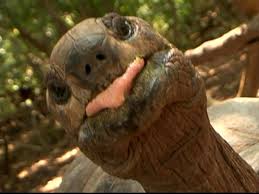
A part from Dolphin bay, from which the animals can be observed while they play or feed, the turtles are the favourite landmark.
Conservationist groups work through day and night to preserve turtle nesting from predators. This astonishing event is a blast for visitors’ experience, and it deserves all attention and respect.
 
Among locals, legend goes that, when it’s storm season, the lightning would show the turtle where the beach is, whilst the thunder afterword would signal their arrival to the nesting area.

Turtle nesting is by far the most magical and owe inspiring thing you will ever see: watching the giant leatherback turtles making their way slowly up the beach, digging in the soft sand, with their enormous flippers, depositing several eggs that will become a new generation, is a one in a lifetime pleasure.
These little new born will then make their way back out to the sea to begin their life.
 
Switching over to other kind of entertainment, surfing is a world-class experience here in Bocas.
The Caribbean sea offers warm, crystal-blue water and swells, enjoyed by seasoned veterans and beginners alike.

During the November-March surfing season, 4 to 12 feet range waves dominate the paradise, with special surf brakes such as coral reefs, and boat charters ready to get you out to open ocean, to find your unique spot to enjoy with your friends and nobody else to share with.


Wednesday, 1 June 2016

My project


This page is dedicated to everyone of you. Everyone who’s intended to enrich his days by getting views and facts of the most beautiful places in the world.

These are little journeys we can enjoy while sitting in our office, or waiting for our friends on a bench in the park.

Because this is the way I see the world. As an enchanted well in which, by overlooking into it, you re thrown into another reality.
 
Now here, tomorrow there.
Sounds, tastes, music, people, fragrancies, flavours, skylines, sights… you have never experienced before.

What mostly defines my travelling personality can be pictured as a bee flying among flowers, getting one little taste of nectar, and joyfully hovers to another one.

Yes. This is me, Ami.

I happen to be a traveller in my heart. Home is where I am. I create my home in every place I visit, being a majestic Italian church or an American National Park.
 
I glance at every corner of the world, select its main features, and display it to people.

My purpose is to pass on my passion to everyone. For it could brighten their life. Make them lovers of nature, of what our earth gives us.

One day, I hope I will be able to say I have had enough of this Planet for having seen it all, several times!


Follow my journey, let’s travel around together. 

Il mio progetto


Questo progetto è dedicato a ognuno di voi. È per tutti coloro i quali intendono arricchire le loro giornate con immagini e brevi descrizioni degli angoli più belli del Mondo.

Sono piccoli viaggi, che ognuno può gustarsi mentre sediamo nel nostro ufficio, o aspettiamo i nostri amici al parco.

Perché questo è il modo in cui vedo il mondo. Come fosse un pozzo incantato nel quale, appena mi affaccio al suo interno, vengo catapultata in un’altra realtà.
Oggi qui, domani là.
Suoni, sapori, musica, persone sorridenti, odori, profumi, panorami, paesaggi… che non hai mai vissuto prima.
 
L’immagine che meglio rappresenta la mia personalità di viaggiatrice è quella di un’ape che svolazza intorno a fiori colorati: quando si sofferma su uno di loro, ne assapora il nettare e subito dopo, deliziata, si libra nuovamente in volo per raggiungere il prossimo.

Sì, questa sono io.

Mi è capitato di essere un viaggiatore nel mio cuore. Casa è dove sono io. Creo il mio angolo famigliare in ogni posto che visito. E così si diventa cittadini del mondo.
 
Mi meraviglio per ogni luogo che incontro, che sia una vecchia chiesetta italiana piuttosto che un parco nazionale americano.

Osservo, seleziono i fatti più curiosi e le immagini più belle, e le offro alle persone.

Il mio obiettivo è trasmettere la mia passione, perché possa portare un po’ di luce nella loro vita. Perché possano amare la natura, e ciò che questa Terra ci regala.

Un giorno, spero di poter dire di aver conosciuto tutti i luoghi del Pianeta, più e più volte!